-
San Lorenzo and Medici-Riccardi Palazzo
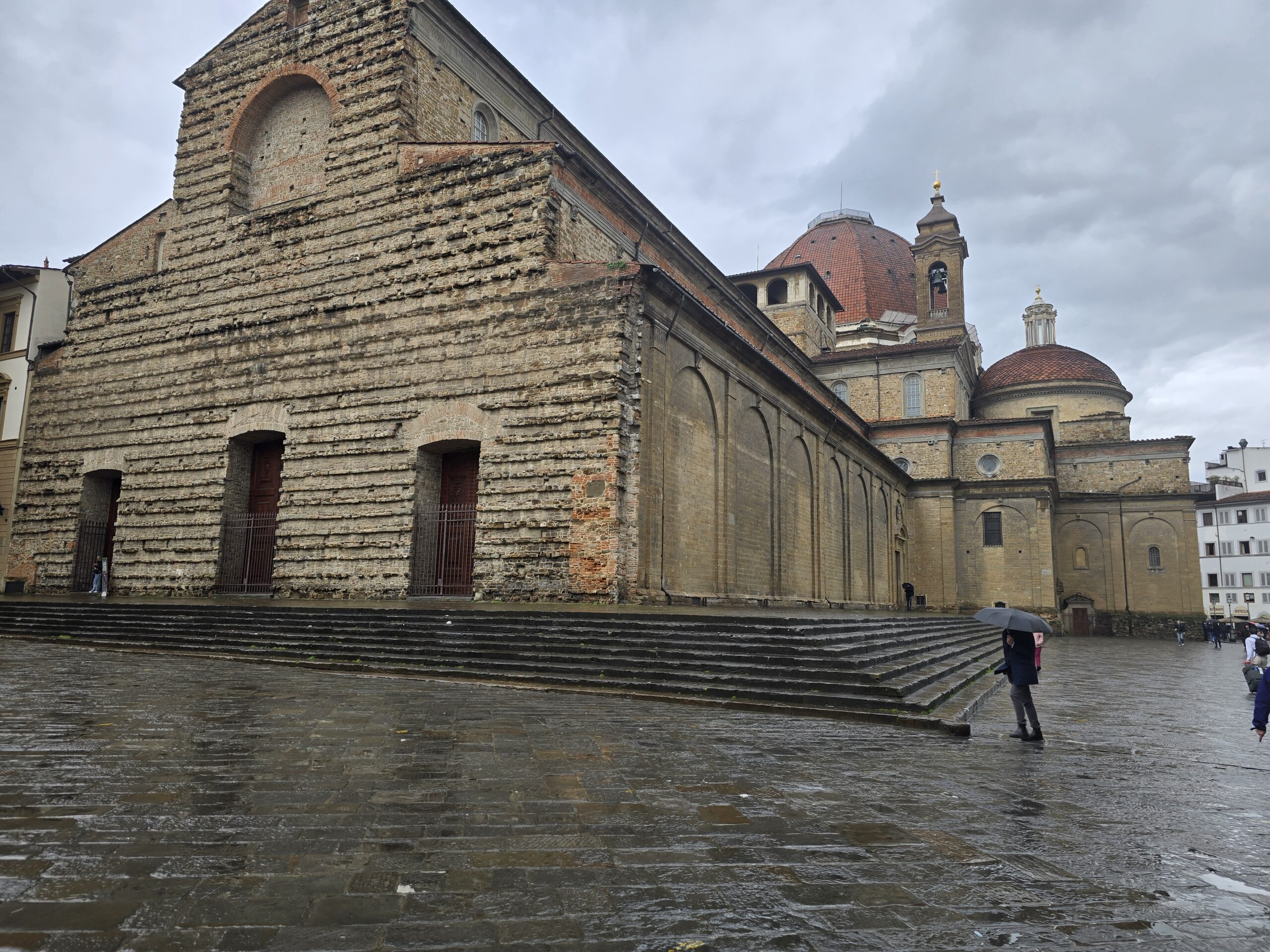
Overview This article will be a bit more complicated than most. The site I’m discussing has two separate tours, and another related site is across the street. Let’s start. The Basilica of San Lorenzo was the first cathedral of Florence, consecrated in 393CE, less than a hundred years after Christianity became the official Roman religion.…
-
Historic Florence Duomo Exterior
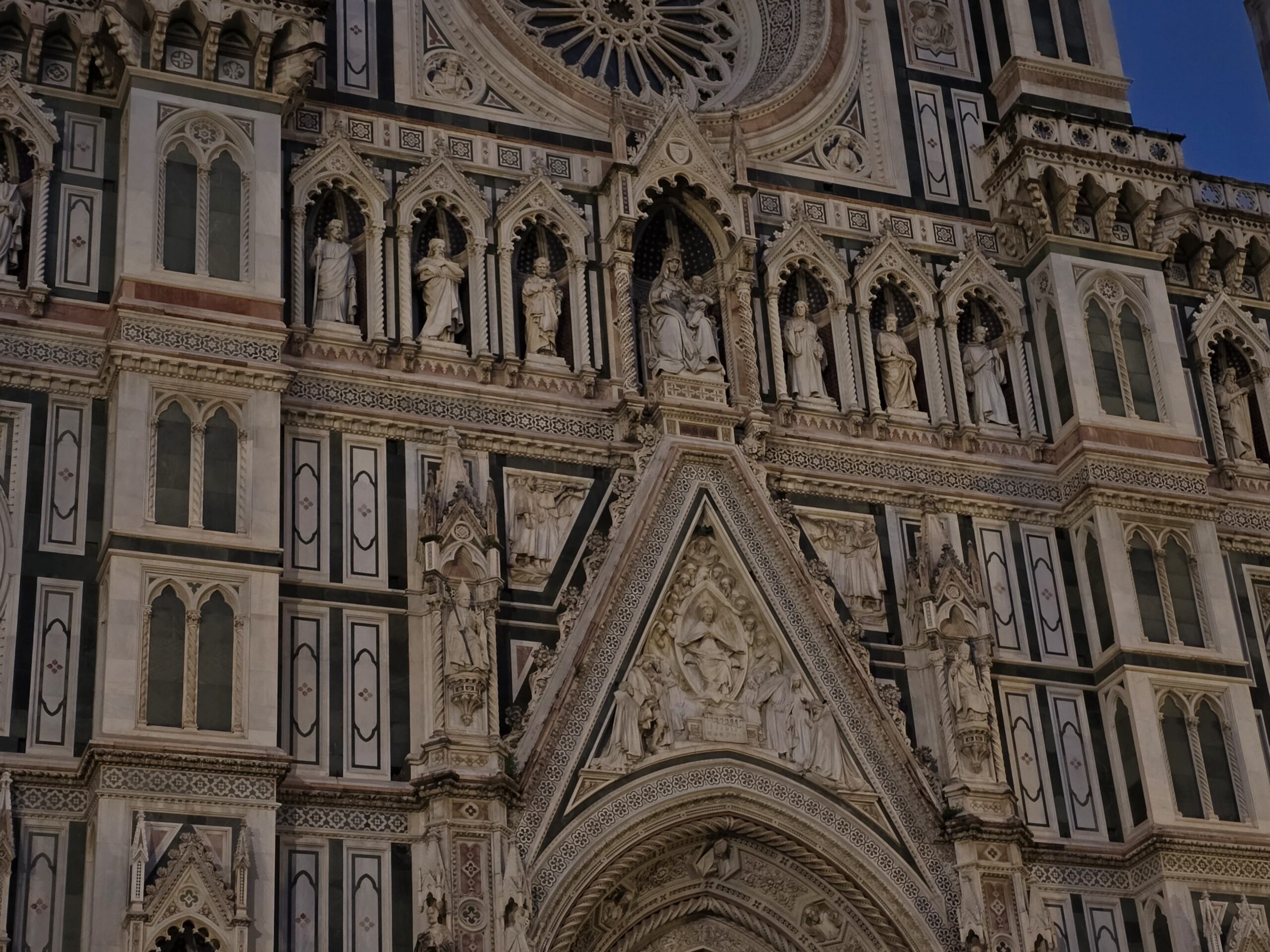
Overview The Florence Duomo has a long history. Construction began in 1296 atop the existing cathedral, San Reparata. During the construction of the walls, there were no plans for a dome. Except for the dome, work on the Duomo finished in 1418. There was a wall between the nave and the transept, above which the…
-
Celebrate Tuscan Food at Restaurants in Florence
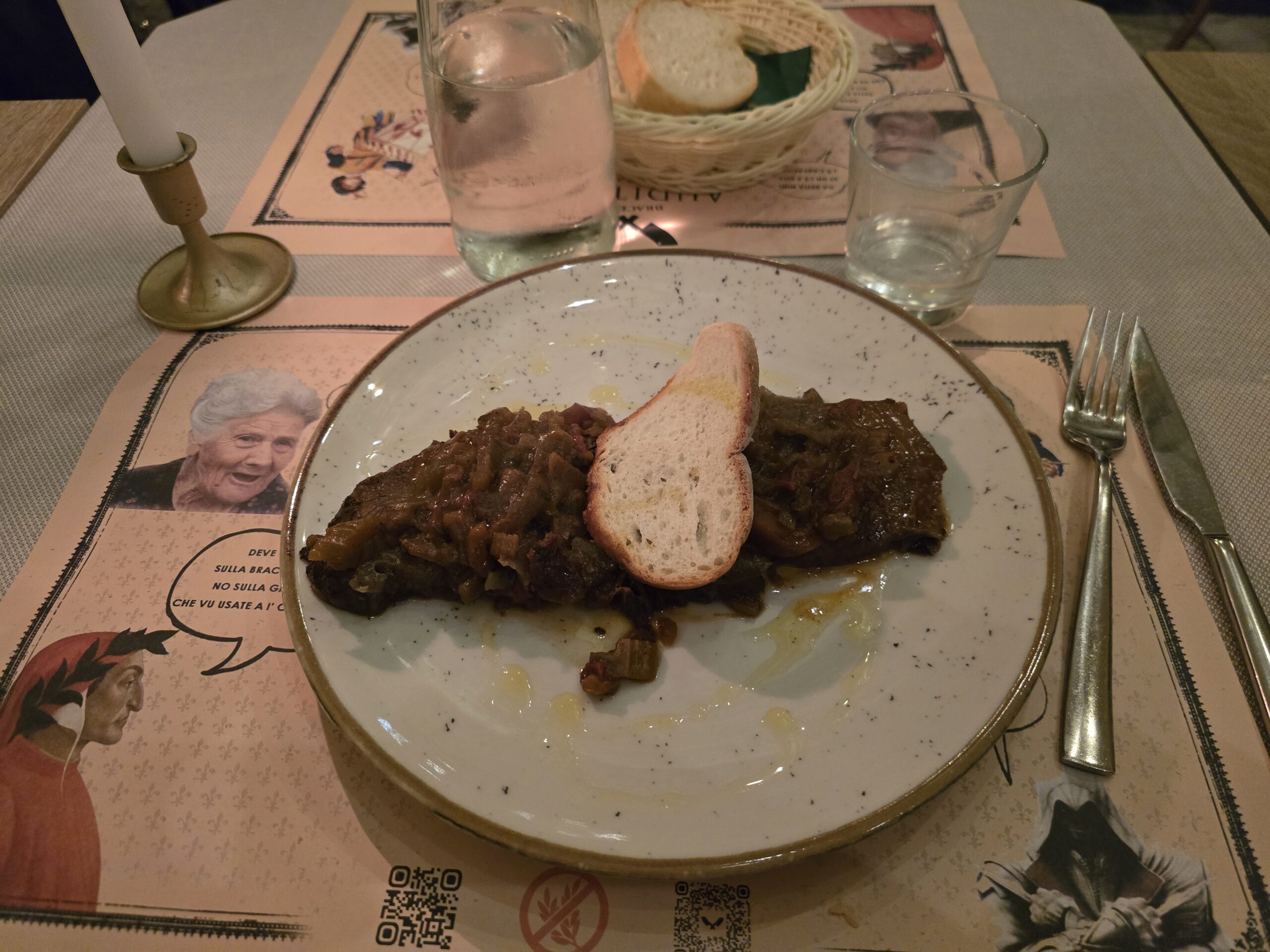
Overview What better reason to visit Italy, especially Tuscany, than the food? In my ten days in Florence, I had two favorite places to eat. One was Trattoria Sergio Gozzi (my all-time favorite on this trip), across the street from San Lorenzo. The other, Cipolla Rossa, was very good. In fact, the single best thing…
-
Visit the real Florence by visiting Florence off the beaten path
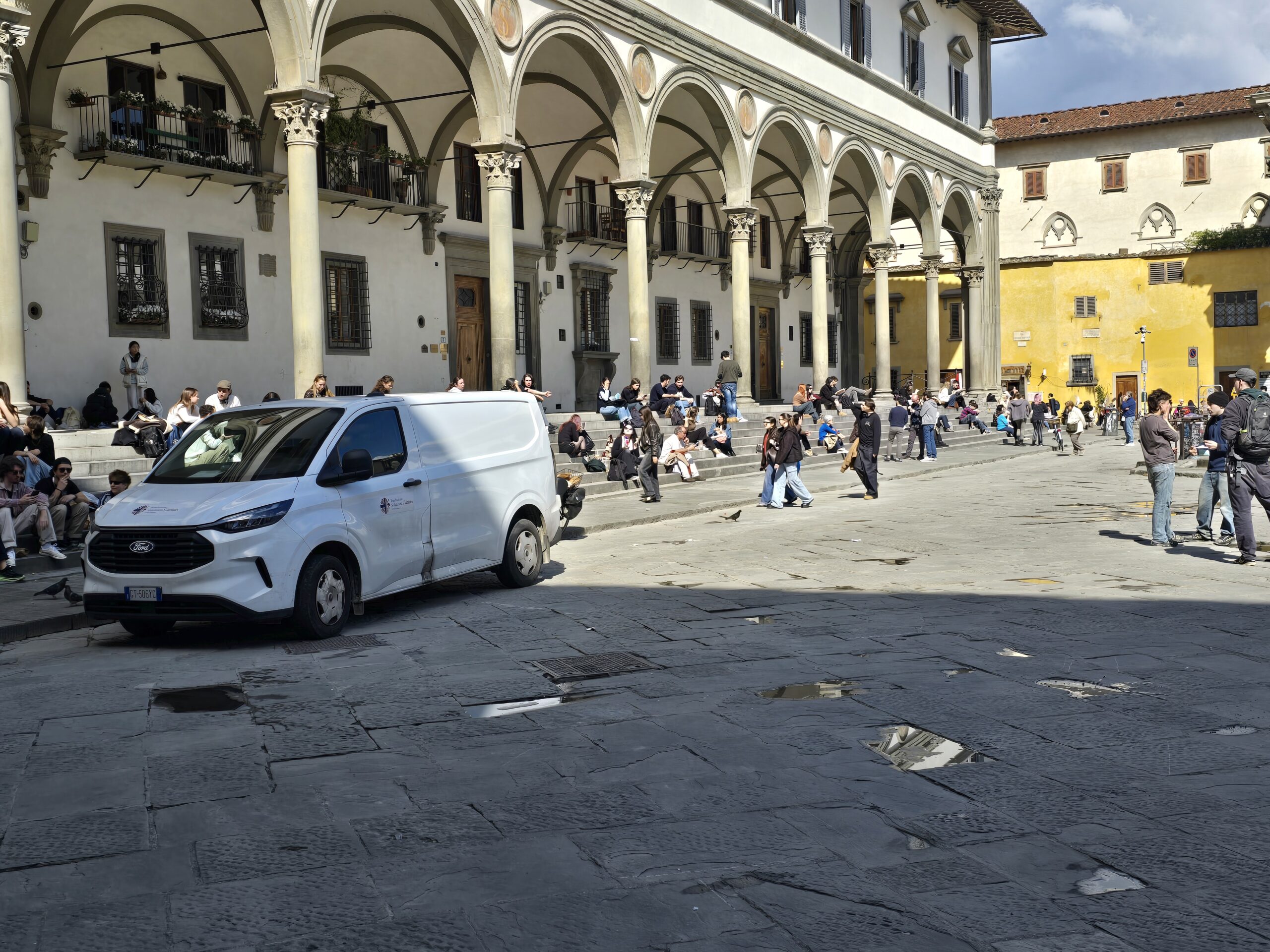
Overview Florence street scenes are just below the surface of the tourists scrambling to see the must-see sites. Any city, as historic and important as Florence, can’t be understood by seeing just the Duomo or the Uffizi. You need to experience the streets. Go past the beaten path. Many US tourists are afraid to walk…
-
The convent of san marco museum
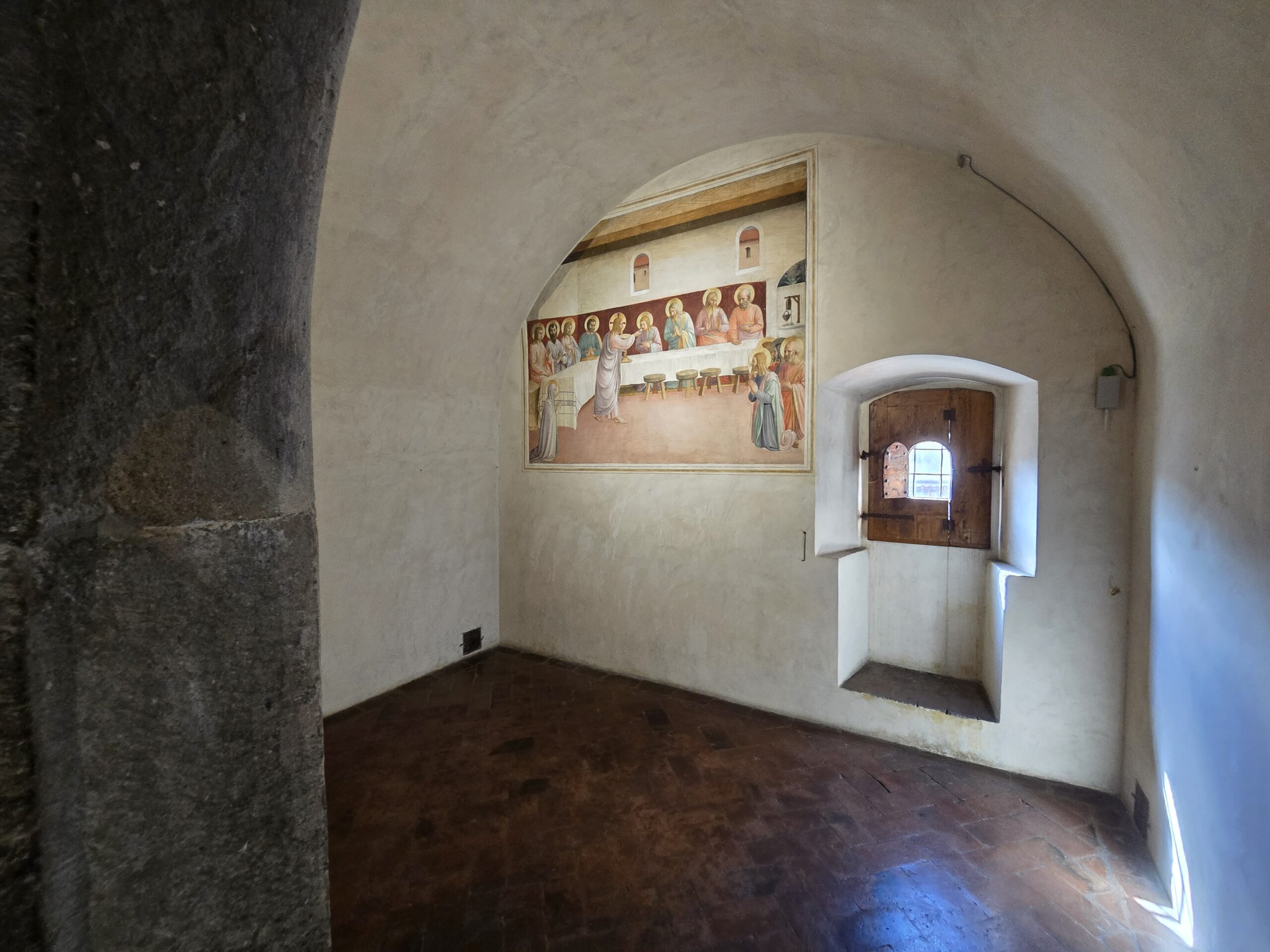
Overview The Dominican Convent includes the San Marco Museum. While in the English-speaking world a convent is a place for nuns, in Italy it can be for either nuns or monks, depending on their religious mission. This convent is for monks. San Marco has housed two famous brothers, Fra. Savonarola and Fra. Giovanni da Fiesole,…
-
Palazzo Vecchio Florence
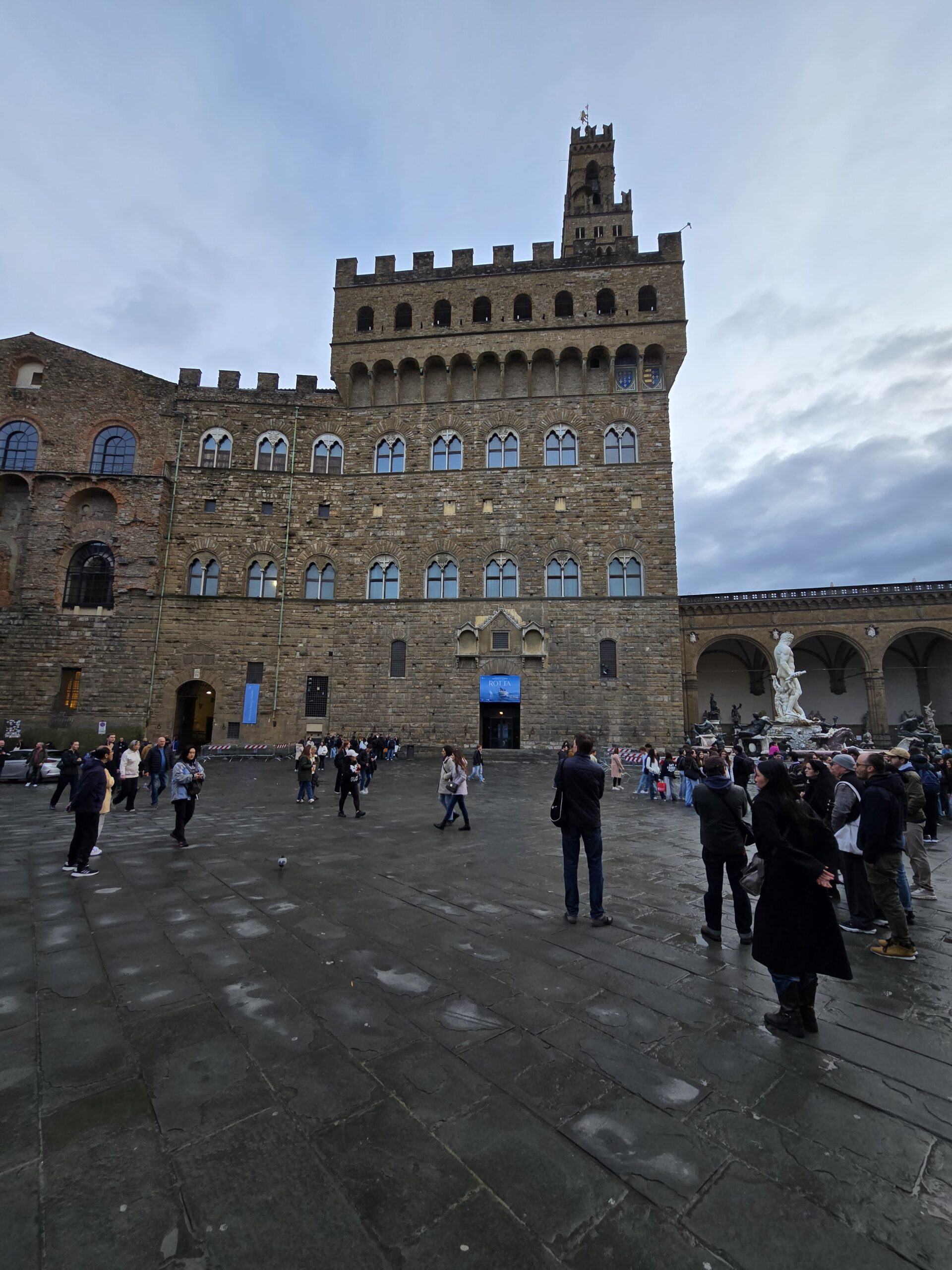
Overview The Palazzo Vecchio Florence, originally known as the Palazzo Signoria (Palazzo, Italian for palace), named for where the city government (the Signoria) met. Not allowed to leave the building during their term, which was only two months, they lived in the palace. When the Austrian Empire decided to make a Medici the Duke of…
-
Baptistery of St. John
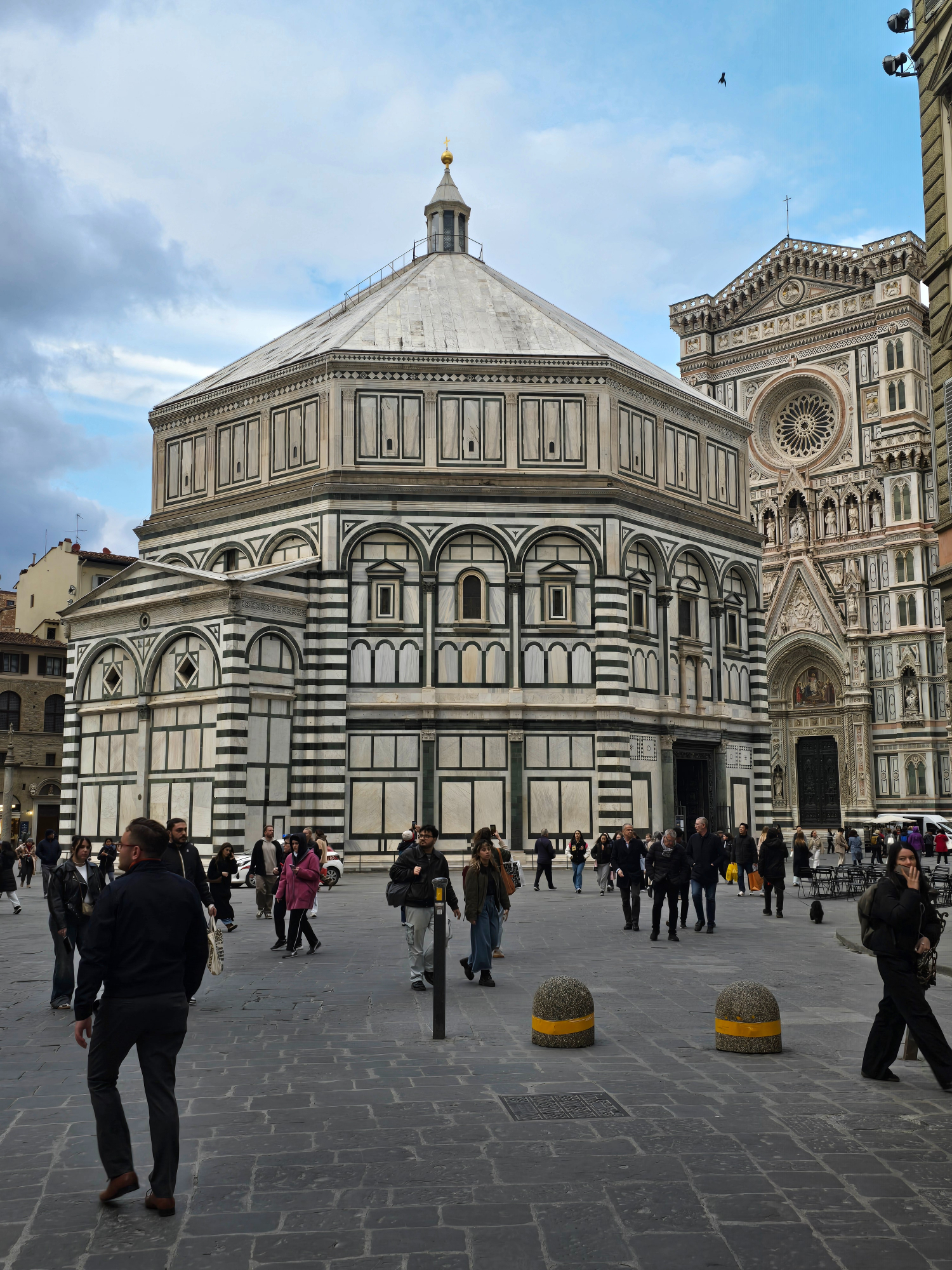
The Baptistery of St. John is located adjacent to the Cathedral of Florence (Santa Maria del Fiore), also known as the Duomo. When the building was built has been a subject of much debate. The latest consensus is that it was built around 1060. Many wonder why the baptistery is separate from the cathedral. There…
-
Uffizi Art Museum
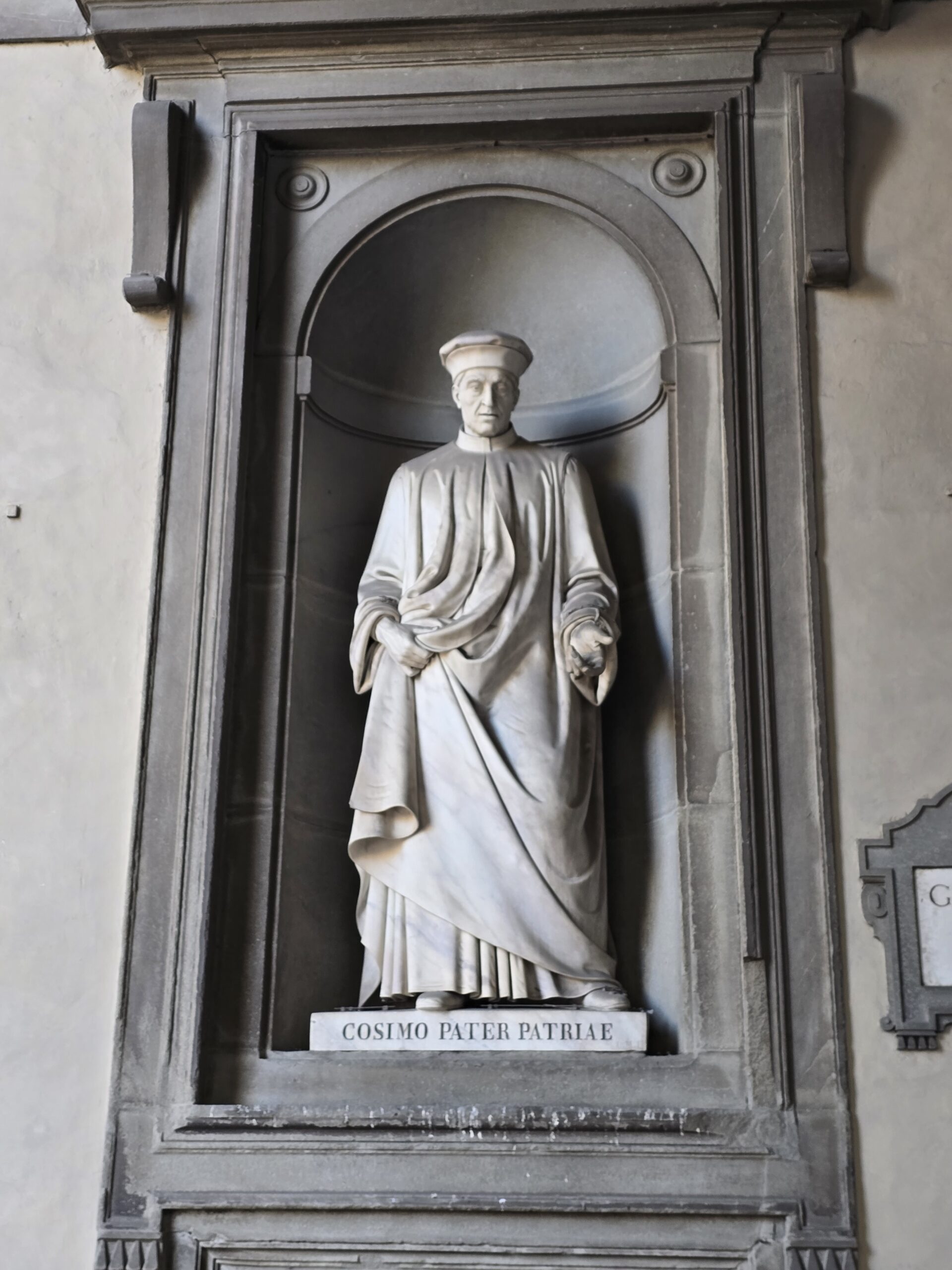
Overview The Uffizi Art Museum is the greatest museum for Italian Renaissance paintings. Most of the other art forms are in the Bargello Museum. Duke Cosimo I de’ Medici built the building as offices for the Duchy. Uffizi in Italian means offices. Shaped as a long U, with galleries on two floors, running north and…
-
Loggia Lanzi
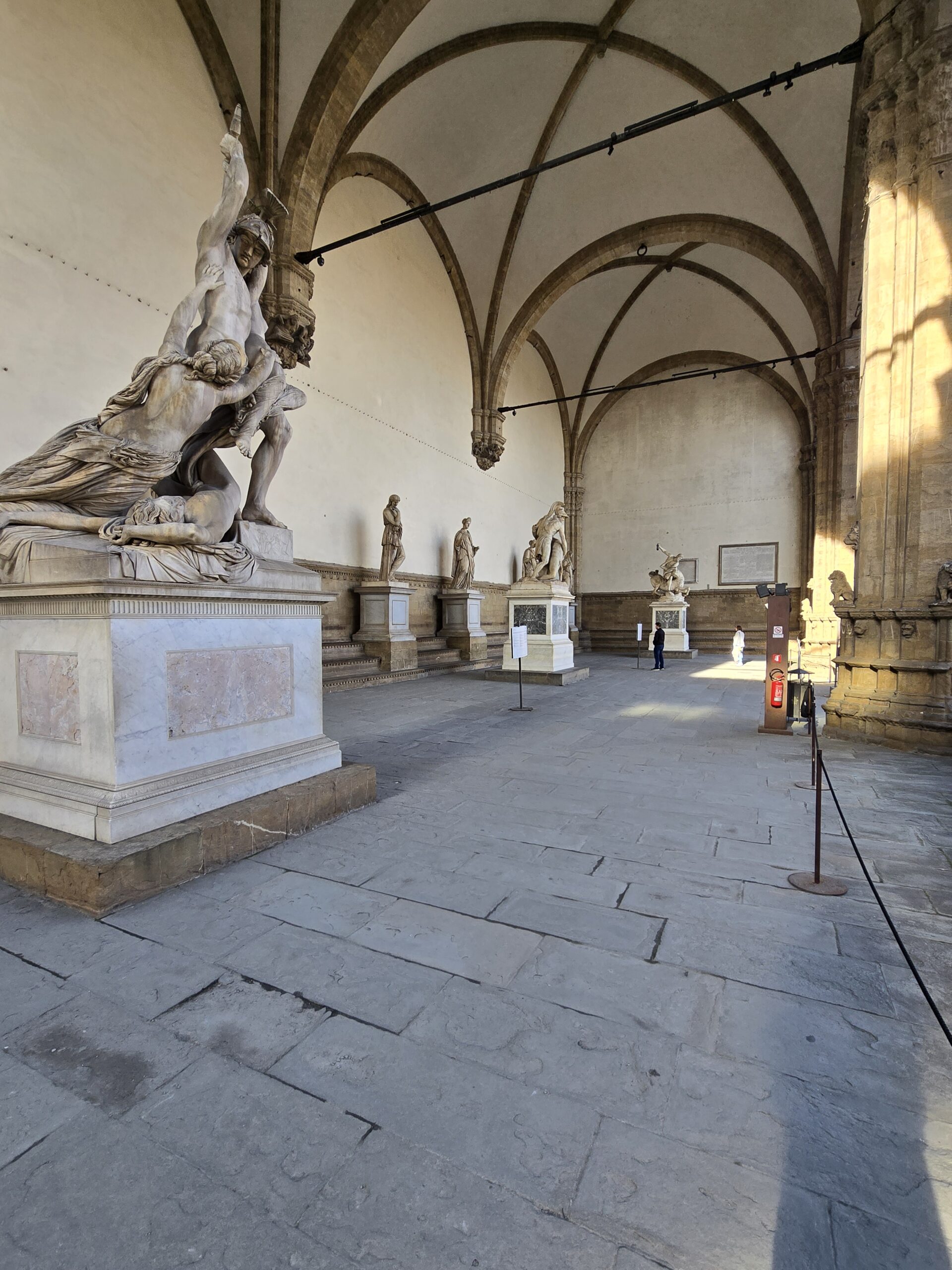
Overview Located on the Piazza della Signoria, adjacent to the Uffizi Museum and diagonally opposite the Palazzo Vecchio, the Loggia Lanzi contains several statues on public display. A loggia is a covered porch. Often attached to an important or grand building and originally used to entertain guests you did not want to admit to your…
Examining historic locations, experiencing new cultures, and exploring scenic beauty